Discover More


Aarmeh is a custom software development company based in Dubai. We design and build software for web, cloud, and enterprise use, and we work with clients ranging from early-stage startups to government bodies. Most projects come to us because something off-the-shelf stopped being good enough. Our job is to build what comes next.

We function as a full-service software development company, which in practice means we're involved from the first planning conversation through to the software still being maintained years later. Here's a breakdown of what that covers.
Not sure what to build, which technology to use, or how to modernize an existing system? Our software consulting services help you define the right strategy, architecture, technology stack, and roadmap before development begins.
We build, customise, and integrate ERP and CRM solutions to bring business operations, customer data, sales, finance, and workflows into one connected system giving your teams better visibility and fewer manual processes.
Generic tools are fine right up until a business outgrows them. Custom software development is the alternative to building the system around your actual workflow instead of adjusting your workflow to match someone else’s software. It costs more upfront. It usually pays for itself later.
Large organizations tend to run into the same issue: departments working from different tools that don’t talk to each other, and processes still living in spreadsheets somewhere. Enterprise software development is about closing those gaps building systems that connect to what already exists rather than replacing the whole stack at once.
Some clients arrive with a fully customized product. Others arrive with an idea and a rough sketch. Either way, we help validate the concept, build an MVP, and take it toward a full release, without letting the process drag out longer than it needs to.
Machine learning, NLP, computer vision, Generative AI, are used where they solve an actual problem, not because they sound good in a pitch. Sometimes that means automating a manual task. Sometimes it means making a product feel more personal to the person using it.
An old system doesn’t automatically need a full rebuild. Often it needs better architecture, tighter security, and performance that doesn’t leave your team waiting around and that’s a smaller, more focused project than starting from zero.
Software rarely runs alone. We build APIs and integrations that connect your platform to payment providers, CRMs, and whatever else your business already relies on, so information moves on its own instead of being copied between systems by hand.
Launch isn’t really the end point. We keep monitoring, patching, and improving software after it’s live, because problems that go unnoticed for a year tend to be harder and more expensive to fix than the ones caught early.
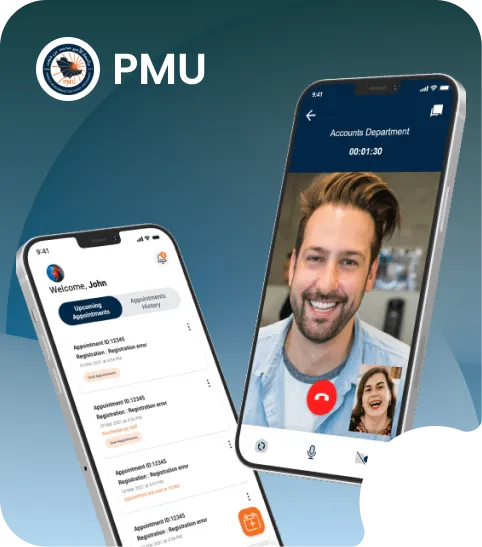
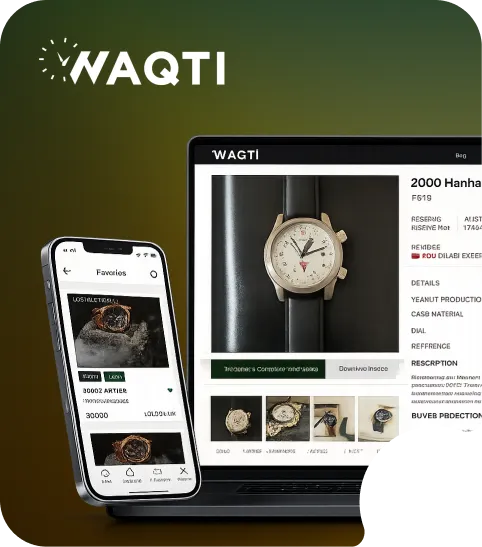
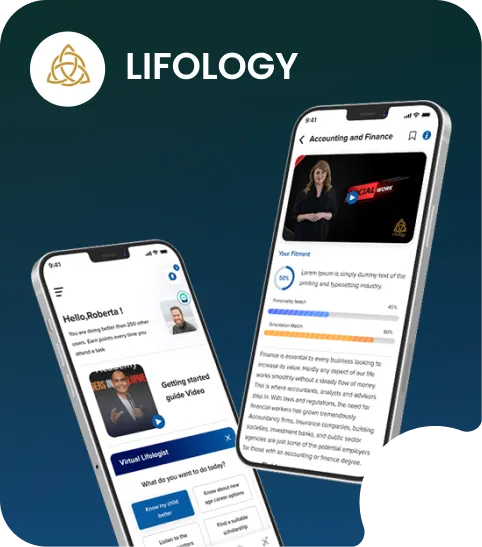
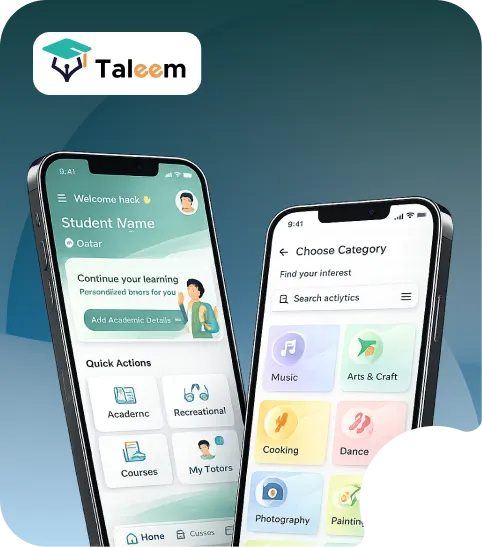
As a software development agency working across the region, we have built for startups still finding their footing, SMEs scaling quickly, and enterprises managing far more complexity than most outsiders would guess. A sample of that work sits in our portfolio.


The best software development technologies are not always the newest. They are the ones that fit the project, its goals, and its technical requirements. At Aarmeh, we work with a flexible technology stack and select the right tools for every solution we build.
Every generation of software runs on a different set of tools than the one before it. Right now, a handful of technologies keep showing up across our projects, each solving a different kind of problem.
AI earns its place where it solves something real by automating repetitive work, sharpening decisions that depend on spotting patterns, and personalising what a user actually sees on screen. That covers machine learning, NLP, computer vision, and recommendation systems, applied case by case rather than dropped into everything by default.
Connecting devices and sensors to backend systems means information arrives as it happens, not after the fact. It’s a quieter corner of the work than AI, but for businesses running physical operations, it’s often where the real efficiency gains hide.
For projects that require trust, transparency, and verifiable transactions, we build blockchain-based systems that make digital interactions secure, traceable, and difficult to tamper with.
Cloud is the starting point, not the exception. Building on AWS, Azure, or GCP means software can expand with demand instead of being boxed in by hardware provisioned two years earlier.
Data becomes valuable when it leads to better decisions. We build the pipelines and dashboards that uncover trends, support accurate forecasts, and give businesses the insights they need to act with confidence
Every industry has its own operational quirks, and software built without accounting for them tends to underperform quietly rather than fail loudly. Here's where we've picked up real experience.
We build systems for patient care, telemedicine, and digital health records. Compliance isn't retrofitted at the end; it's part of the design from day one.
We develop payment processing, lending platforms, and financial automation. Every workflow is designed around the regulatory requirements the sector actually operates under.
We build software that personalises the shopping experience for each customer. It also keeps inventory accurate across every channel, so stock counts don't lie to the front end.
We create platforms focused on conversion, secure checkout, and clean product discovery. Recommendations are built to fit the shopper in front of the screen, not a generic average.
We build fleet management, route planning, and shipment tracking tools. Everything runs on live data instead of estimates, which is what actually saves time on the road.
We build tools for production monitoring and maintenance scheduling. These systems also help coordinate teams on the floor, so fewer things fall through the cracks.
We build online learning platforms and virtual classrooms. The goal is keeping students genuinely engaged, not just present.
We build citizen service platforms and document management systems. Security is treated as a starting requirement here, not something added on afterward.
We build listings, virtual tours, and CRM tools. Together, they're designed to shorten the sales cycle rather than just digitise the paperwork.
We build policy management and claims processing systems. The focus is cutting down on manual paperwork that slows every claim down.
The UAE has no shortage of software development companies. What tends to bring clients back to us specifically comes down to a few things.
At Aarmeh, we follow a structured software development life cycle while keeping the process flexible enough to adapt to each project. Our approach is shaped by your timeline, budget, technical requirements, and how likely the scope is to evolve during development.
Before any code gets written, we look at your business goals, the market you’re in, and what competitors are doing, then put together a roadmap that actually reflects where you’re trying to go.
Wireframes, prototypes, and user research happen here figuring out how the software should feel before it’s built, which tends to save a lot of rework further down the line.
Development happens in structured sprints, using agile software development methods that keep progress visible and make it easier to adjust course if priorities shift mid-project.
Every build gets tested for function, security, and performance across the relevant devices. This stage of the software development cycle is where problems get caught before users ever see them.
Once testing clears, we handle deployment, cloud configuration, server setup, monitoring so launch day is uneventful, which is exactly what you want it to be.
Software needs upkeep after it ships. Updates, security patches, and performance work continue well past the initial release, because very few systems stay static for long.
"The precision in their workflows has completely transformed how our team handles Australian compliance. It's not just software; it's a strategic advantage."

"Absolutely flawless execution. The atmospheric UI makes even the most complex data structures feel intuitive and breathable. A masterclass in SaaS design."

"Switching to Aura SaaS was the best decision we made this year. The support is world-class and the platform stability is unmatched in the industry."

"Aarmeh stands out for its family-like culture and consistently delivers high-quality results through teamwork."

"We are extremely pleased with the work. Your team has been exceptional, and Phase 1 is just the beginning."
Look beyond the portfolio and evaluate the team’s technical expertise, development process, communication, and post-launch support. A reliable software development company should clearly explain how it handles requirements, timelines, testing, and ongoing improvements before development begins.
Software development in Dubai typically costs between USD 15,000 and USD 200,000+. The final cost depends on the features, platforms, integrations, technology requirements, and overall project complexity. Once the scope is defined, we provide a clear estimate.
Yes, when off-the-shelf tools no longer meet your business needs. Custom software development can help small businesses streamline operations, improve efficiency, and build solutions around their specific workflows without relying on multiple disconnected tools.
React.js is a powerful choice for building fast, scalable, and interactive software interfaces. Aarmeh uses React.js to create flexible digital solutions tailored to different business needs.
Mostly Agile and Scrum, sometimes blended, depending on how settled the requirements are and how much flexibility the project realistically needs.
You do. Once a project is delivered and paid for, the codebase and any related intellectual property belong to the client, not the development team that built it.
A typical software development project takes around 3 to 9 months. The timeline depends on the project's complexity, number of features, integrations, platforms, testing requirements, and overall scope.
Yes, our support continues after deployment with ongoing maintenance, security updates, performance monitoring, bug fixes, and feature enhancements to help keep your software secure, stable, and ready to evolve with your business.




 CLUTCH VERIFIED
 Top App Developer UAE
 100% NDA Protected
© 2026 Aarmeh. all Rights Reserved.
Made in Dubai.
Made with  IN THE HEART OF UAE


 Book a free call